
Kidepo National Park Uganda | A Complete Safari Guide
A one-of-a-kind national park, Kidepo Valley is one of the most inaccessible safari locations in all of Uganda. In spite of its isolation, Kidepo National Park in Uganda has preserved a level of natural authenticity that would captivate any safari traveler. Located in the districts of Kaabong and Karenga in far northeastern Uganda, the park is a true wilderness experience. Kidepo National Park is a real African wilderness, with the Morungole Mountains dominating the landscape and featuring rough semi-arid grassland and two seasonal rivers, Narus and Kidepo. At an elevation of 914–2,750 meters above sea level, the Park’s terrain extends over 1,442 square kilometers (557 square miles). However, the towering Morungole mountain dominates its stunning horizon.
Kidepo National Park is famous not just for its breathtaking scenery, but also for the unusual bird and large animal encounters that visitors often experience. The Park is now home to more than 470 bird species, including raptors and apes from Africa, and 80 species of mammals, according to its gazette. Visitors on safari game drives in the park can expect to see cheetahs, elands, lesser kudu, and other unique animals that aren’t seen anywhere else in Uganda.
In addition to thrilling safaris where you may see wildlife up close, visitors to Kidepo National Park can also immerse themselves in the local cultures of the Karamojong, Ik, and Acholi. Kidepo also offers intriguing tourist activities including birdwatching, nature hikes, and trekking.
Kidepo National Park Safaris
Kidepo National Park, one of the top safari areas in Uganda, is a great place to stay when you really need to get away from it all. This remote national park protects two valleys, and each of them experiences incredible mood swings. The availability of rainwater drives these dramatic changes several times a year.
The idly curious stay away from the Kidepo and its sister valley, the Narus, because of the perception that they are hard to reach. This wilderness region is therefore inhabited by dedicated safari-goers and, of course, the Karamojong people, who herd their hardy cattle here (and whose potential spouses have to wrestle to be married!).
Hundreds of bird species and a plethora of big-game species can be seen on safari, whether you choose a strolling or game drive.
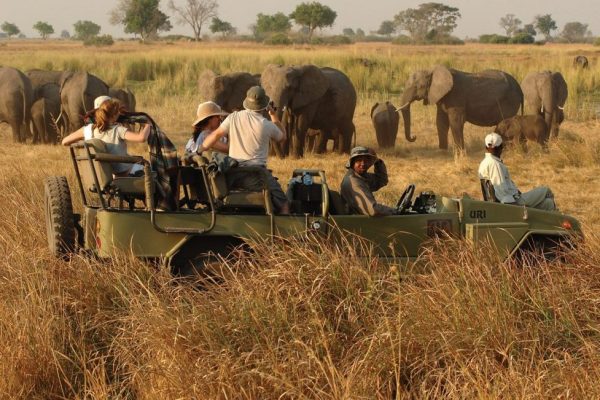
4 Days Kidepo Safari Itinerary
A 4-day Kidepo Valley National Park safari offers an immersive experience in one of Uganda’s most remote and wildlife-rich, untouched wilderness areas. Typically accessed via a 2-hour flight from Entebbe or a long road trip, this itinerary features extensive game drives in Narus Valley, visits to Kanangorok Hot Springs, and cultural encounters with the Karamojong people.
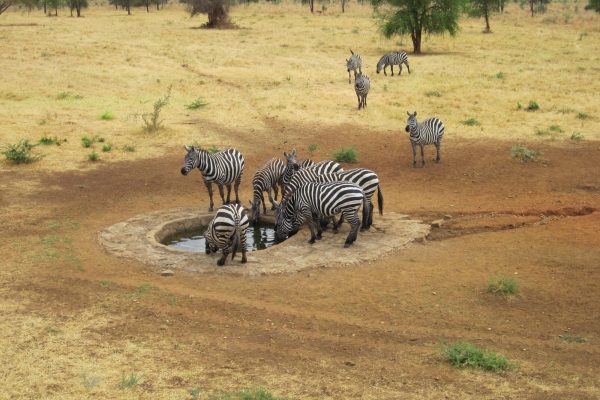
Bwindi And Kidepo Itinerary
This 7-day fly-in itinerary combines Uganda’s top highlights: mountain gorilla tracking in Bwindi National Park and savanna wildlife in remote Kidepo National Park. Using domestic flights between destinations is essential to maximize time, covering the vast distance between southwestern jungles and northeastern plains, generally including gorilla trekking, game drives, and cultural tours.
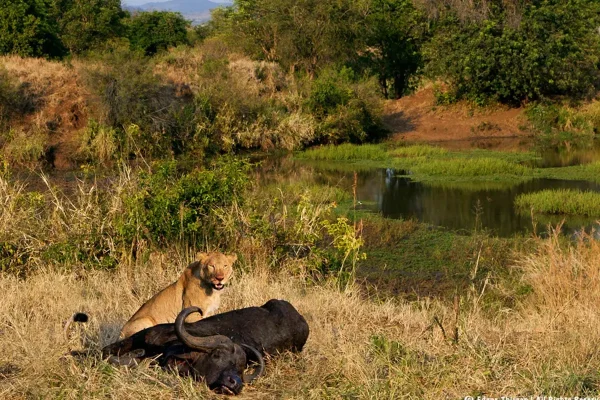
Bwindi, Queen Elizabeth, Kidepo Itinerary
An 8-day Uganda safari combining Bwindi Impenetrable National Park, Queen Elizabeth National Park, and Kidepo Valley National Park offers a premier mix of mountain gorilla trekking and savannah wildlife viewing. These itineraries typically involve flying between parks (e.g., via Entebbe) to efficiently cover the vast distances, allowing for treks, game drives, and boat safaris.
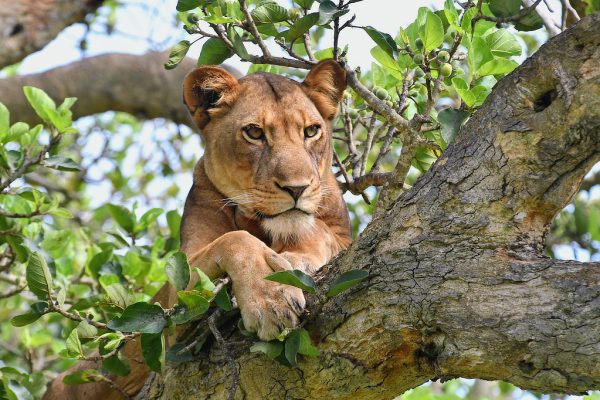
18 Days in Uganda Itinerary
An 18-day Uganda safari offers an in-depth exploration of the “Pearl of Africa,” covering top national parks, diverse wildlife, and primate trekking. Key destinations typically include Bwindi Impenetrable (gorillas), Kibale (chimpanzees), Murchison Falls, Queen Elizabeth (tree-climbing lions), Kidepo Valley, and Lake Mburo. Activities feature Big Five tracking, boat cruises, cultural tours, and birding.
20 Days in Uganda Itinerary
A 20-day Uganda safari offers an in-depth exploration of the “Pearl of Africa,” covering gorilla trekking in Bwindi, chimpanzee tracking in Kibale, and game drives in Kidepo Valley and Queen Elizabeth National Parks. This extensive itinerary includes adventure at the Source of the Nile (Jinja), hiking Sipi Falls, wildlife viewing at Murchison Falls and Lake Mburo, and cultural encounters with the Batwa and Karamojong communities.
Getting to Kidepo National Park
Near the towns of Karenga and Kaabong in northern Uganda lies Kidepo National Park. From Kampala Capital City, it is approximately 550 (320 miles) via road, while from Moroto, the main town in the sub-region, it is about 220 km (120 miles).
There are a number of ways to get to the park by car, but the quickest is to take the approximately 10-hour trip through Gulu to the Lokumoit gate. Karamoja is also on a another path that leads to the Nataba Gate.
But a charter airplane is still the most convenient method to reach Kidepo Valley National Park. Your travel agency can book flights on domestic carriers like Bar Aviation and AeroLink.
You will also be picked up from the airport and dropped off at your lodge, in addition to the flight itself. Both Entebbe International Airport (the primary gateway to the nation) and Kajjansi airfield serve as domestic airline departure points for Uganda.
Attractions in Kidepo Valley National Park
Kidepo Valley National Park, known as a remote, rugged wilderness in Uganda, features premier attractions like the wildlife-rich Narus Valley, Apoka Tourism Centre, and Kanangorok Hot Springs. Visitors can hike Mount Morungole to visit the Ik people, enjoy birdwatching (over 470 species), and take game drives to spot cheetahs, lions, and giraffes.
1. Wildlife
Kidepo Valley National Park is home to some truly remarkable animals. More than eighty different kinds of mammals call this park home, including Uganda’s biggest buffalo herds. Wild dogs, bat-eared foxes, antelopes, spotted hyenas, lions, cheetahs, elephants, zebras, leopards, bush pigs, black-backed and side-backed jackals, and Rothschild’s giraffes are just a few of the many animals found in the breathtaking Narus and Kidepo valleys. Kidepo Valley National Parks are home to a variety of primates, including baboons, vervet monkeys, red-tailed monkeys, black- and white colobus monkeys, and more.
2. Birds
With more than 475 species of birds identified, Kidepo Valley National Park is second only to Queen Elizabeth National Park in terms of the abundance of birdlife in a protected region. There are 56 species of raptors, including the pygmy falcon, bateleur eagle, black chanting goshawk, Egyptian vultures, white-headed vultures, etc., and uncommon birds like the African rose-hinged parakeet and the only population of the Clapperton’s Francolin in East Africa are also there. The common ostrich, Kori bustard, red and yellow barbets, Abyssinian roller, Greater Kestrel, Northern red-billed hornbill, Chestnut weaver, Secretary bird, and Abyssinian ground hornbill are just a few of the many recorded bird species that should not be missed on a Uganda birding safari in Kidepo.
3. The Narus Valley
The majority of the park’s animals gather on the undulating savannah plain, which is surrounded by faraway mountains and contains water all year round. Tourists may easily enjoy the valley’s natural treasures thanks to the well-established game tracks. Among the many animals and birds seen on game drives in the Narus valley are giraffes, buffalo, oribis, reedbucks, lions, and a plethora of species of birds.
4. Kidepo Valley
During the dry season, the Kidepo river and other water sources in the valley dry up, leaving the valley covered in barren white sand, in contrast to the Narus valley. The abundance of birdlife, particularly ostriches, makes this area of the park ideal for birdwatching.
5. Namakwa Valley
Located in Kidepo Valley National Park’s northwest corner is this valley. Unfortunately, the valley’s name comes from a native term that meaning “a place with no birds”—which is odd given the incredible birding opportunities that the valley provides. Abyssinian Rollers, White-crested Turacos, and Eastern Paradise Whydahs are just a few of the bird species that call the valley home.
6. Mount Morungole
At an elevation of 2,749 meters above sea level, Mount Morungole serves as the boundary between South Sudan and Uganda. The Ik people, Uganda’s smallest ethnic group, live on its mountain slopes. The mountain was the holy abode of the IK. On foot, visitors to Kidepo Valley National Park in Uganda can explore Mount Morungole, providing excellent hiking opportunities and genuine cultural experiences.
7. Lomej Hills
One of the best places to see animals in Kidepo is at the Lomej Hills, which are not far from the park headquarters. A variety of mountain reedbucks can be spotted here.
8. Karamojong and Ik Culture
The Karamojong and Ik cultures are another intriguing part of Kidepo Valley National Park. Cattle are the Karamojong’s bread and butter, and they have a reputation for being vicious fighters. They have no difficulty raiding neighboring tribes to acquire more animals since they believe all the cows in Africa belong to them. On the other hand, the Karamojong culture and customs are fascinating; while the men tend to the home and children, they go cattle hunting. The Karamojong people also rely on milk and blood from animals. Polygamy is commonplace among them, and they live in humble dwellings called manyattas.
However, the Ik are the most diminutive of Uganda’s ethnic groups. In Kidepo Valley National Park, the Ik call Mount Morungole home. Moving away from the fighting and attacks of other tribes, particularly the Karamojong, they sought a sacred site on top of the mountain. In addition to farming, the Ik are known to be skilled cattle keepers. Warm and welcoming, they make their home in tightly knit groups. It is the responsibility of visitors to the Ik community to immerse themselves in the Ik culture and learn about their distinctive traditions. Learn about the native cuisine, clothing, and dance styles, and then enjoy some traditional entertainment.
Things to Do in Kidepo National Park
Kidepo Valley National Park offers exceptional, remote wilderness experiences, primarily featuring thrilling day/night game drives for big cats and buffaloes in Narus Valley, hiking the Morungole Mountains to meet the IK people, guided nature walks, rich birdwatching (450+ species), and visiting the Kanangorok hot springs.
Located in the rough, semiarid valleys between the borders of Sudan and Kenya, Kidepo Valley National Park is 1,442km2 in size and was gazetted as such in 1962. Few who have made it here believe that this Ugandan national park boasts the best wilderness in all of Africa. It is also the most remote park in the country. Roughly 475 bird species and 77 animal species call it home. Some of the best things to do in Kidepo Valley National Park are listed below.
1. Safari Game Drives
Tourists flock to Kidepo Valley National Park for safari game drives, where they may relax in a 4×4 pop-up safari truck while observing wildlife. There are two schedules for game drives at Kidepo Valley National Park: one in the morning and another in the afternoon or evening. On occasion, the park even offers full-day game drives. Guests here spend the entire time adventuring around Kidepo’s breathtaking wilderness. Wild animals such as reedbucks, lesser and greater kudus, Grant’s gazelles, giraffes, antelopes, lions, spotted hyenas, buffalo, elephants, zebras, and countless more can be seen during game drives in Kidepo Valley National Park’s Narus and Kidepo valleys.
2. Bird-watching
Kidepo Valley National Park is one of the best places in Uganda to go birding because it is home to more than 475 different bird species, 56 of which are raptors. Most visitors to Kidepo Valley National Park go birdwatching in the Namamukweny valley and the vicinity of Apoka Rest Camp. Among the many bird species that can be seen in Kidepo Valley National Park are ostriches, pygmy falcons, abyssinian ground hornbills, Egyptian eagles, dark chanting goshawks, fox kestrels, and splendid starlings.
4. Nature walks
Another popular thing to do for tourists at Kidepo Valley National Park is to go on nature walks. Nature hikes at Kidepo give visitors a chance to interact with the park’s unique flora and fauna. On these nature walks, you’ll be accompanied by an armed ranger who will keep an eye out for any dangerous wildlife. Additionally, there are approved nature routes that provide breathtaking scenery, such as the Kakine trail, Narus Valley, and Namamukweny valley, among others.
5. Cultural Encounters
Visitors to Kidepo Valley National Park can immerse themselves in the culture of the Ik and the Karamojong through cultural interactions. Participants in the cultural encounters will have the opportunity to meet and talk with natives, gaining insight into their daily lives and customs. Traditional dances, folk songs, and theater will be part of the festivities, as will visits to homesteads and museums in the area.
Best Time to Visit Kidepo Valley National Park
You can visit Kidepo Valley National Park at any time of year, but if you want to avoid the weather, the months of June through September and December through February are ideal. If you want to see animals at Kidepo Valley National Park, now is the time to go. It is much easier to see wildlife on a game viewing safari in the Narus valley during the dry season because that is where the park’s animals gather to drink.
However, due to the park’s inaccessibility, Kidepo Valley National Park is not a good choice to visit during the wet season (March to May). Even more so, it is difficult to locate the park’s animals because they are dispersed throughout this period.
Accommodation in Kidepo Valley National Park
There are a variety of places to stay at Kidepo Valley National Park, including safari tents and lodges. There is a wide range of housing options available, from inexpensive to luxury, including;
1. Adere Safari Lodge
Beautiful and newly built, this luxury lodge overlooks the park’s edge and is in close proximity to the entrance. Seventeen cottages, some with two bedrooms and some with one, make up the lodge. All of the rooms in the cottages have their own private bathroom, and the décor is impeccable with perfectly preserved wood and furnishings. There is a swimming pool, a lounge, a restaurant that offers tasty three-course dinners, and more at the lodge.
2. Apoka Safari Lodge
Among the several excellent safari lodges found within Kidepo Valley National Park, Apoka stands out. The five-star lodge is located on a vantage point over the Narus Valley, allowing visitors breathtaking views of the Kidepo fauna and flora. A family suite and nine more luxurious rooms, all exquisitely decorated with African arts and crafts, make up the lodge. To relax after a night of game driving, there are additional amenities such as a pool, restaurant, and bar with all the drinks you could want.
3. Nga’Moru Wilderness Camp
The local term for a location with rocks is the inspiration for the name of this mid-range safari camp. Giraffes, buffalo, elephants, and other savannah-dwelling animals can be seen from the lodge’s vantage point over the Narus Valley. The Nga’Moru Wilderness Camp features five large rooms, each with its own private bathroom. In addition to born fire, the camp has a restaurant and a lounge.
4. Kidepo Savannah Lodge
Located near the Kalukodo gate, this lodge offers mid-range lodging close to the park. Safari tents, some of which are self-contained and others that are not, make up the lodge’s tented camp. No matter your budget, you’ll be able to choose a pleasant stay in one of the lodge’s self-contained tents with an attached bathroom. In addition to other amenities, there is a restaurant and a bar.
5. Apoka Rest Camp
Located in Kidepo Valley National Park, Apoka Rest Camp is an affordable safari camp overseen by the Uganda Wildlife Authority. There are a total of twenty-four bandas in the camp, sixteen of which have private restrooms and fourteen of which share outdoor amenities. The camp does not supply food or drink, though, since visitors are typically encouraged to bring their own. Nonetheless, there is a crew ready to provide a hand in the kitchen. Safari game drives and nature hikes are just two of the many activities available at Apoka Rest Camp.